International Scientific Conference on “Philosophical Problems of Values and Identity”
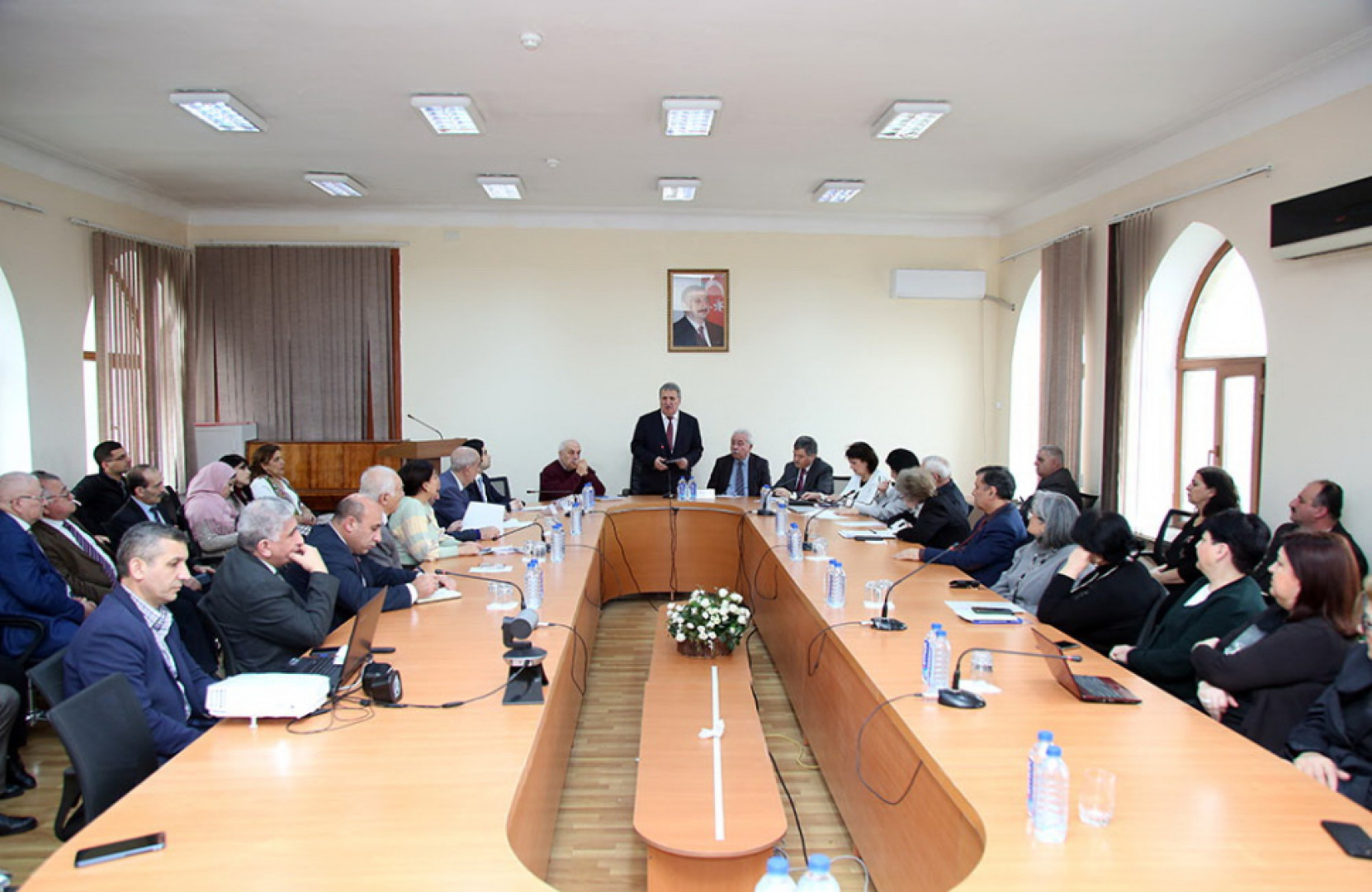
2024-11-26An international scientific conference on “Philosophical Problems of Values and Identity”, dedicated to World Philosophy Day, was held at the Institute of Philosophy and Sociology of the Azerbaijan National Academy of Sciences (ANAS).
Opening the conference, ANAS President Academician Isa Habibbeyli spoke about the emergence, history, development, aims, and objectives of philosophy. He noted that the idealist philosophy of the ancient Greek philosopher Plato and the materialist philosophy of Aristotle have shaped intellectual thought for centuries. He emphasized that these two schools of thought have guided the development of philosophy as a discipline and enriched it with numerous independent ideas, concepts, and theories.
In his address, the President of ANAS highly praised recent research by the Institute of Philosophy and Sociology on topics such as national identity and the concept of national philosophy, as well as Sufi phenomenology and other areas.
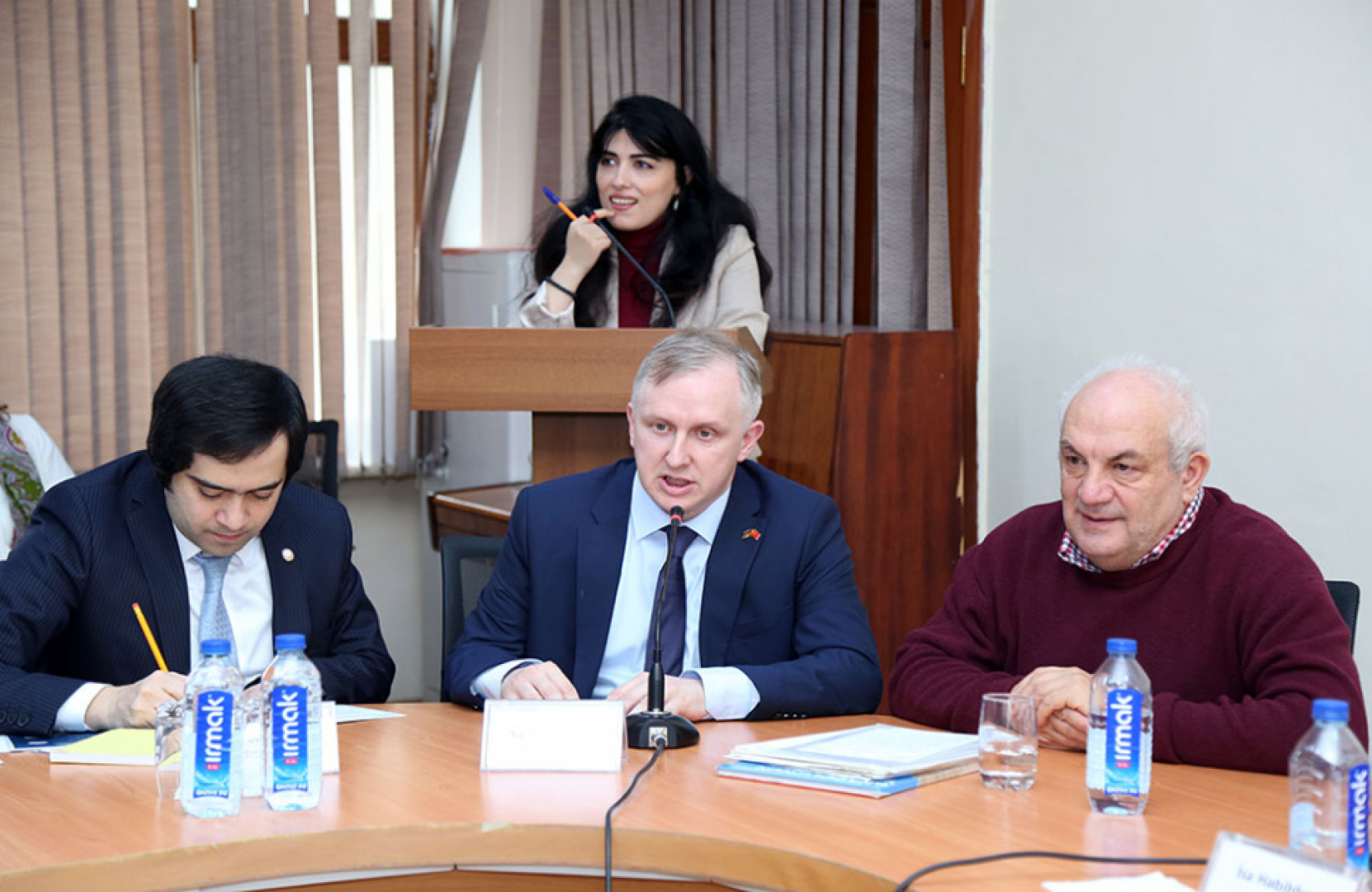
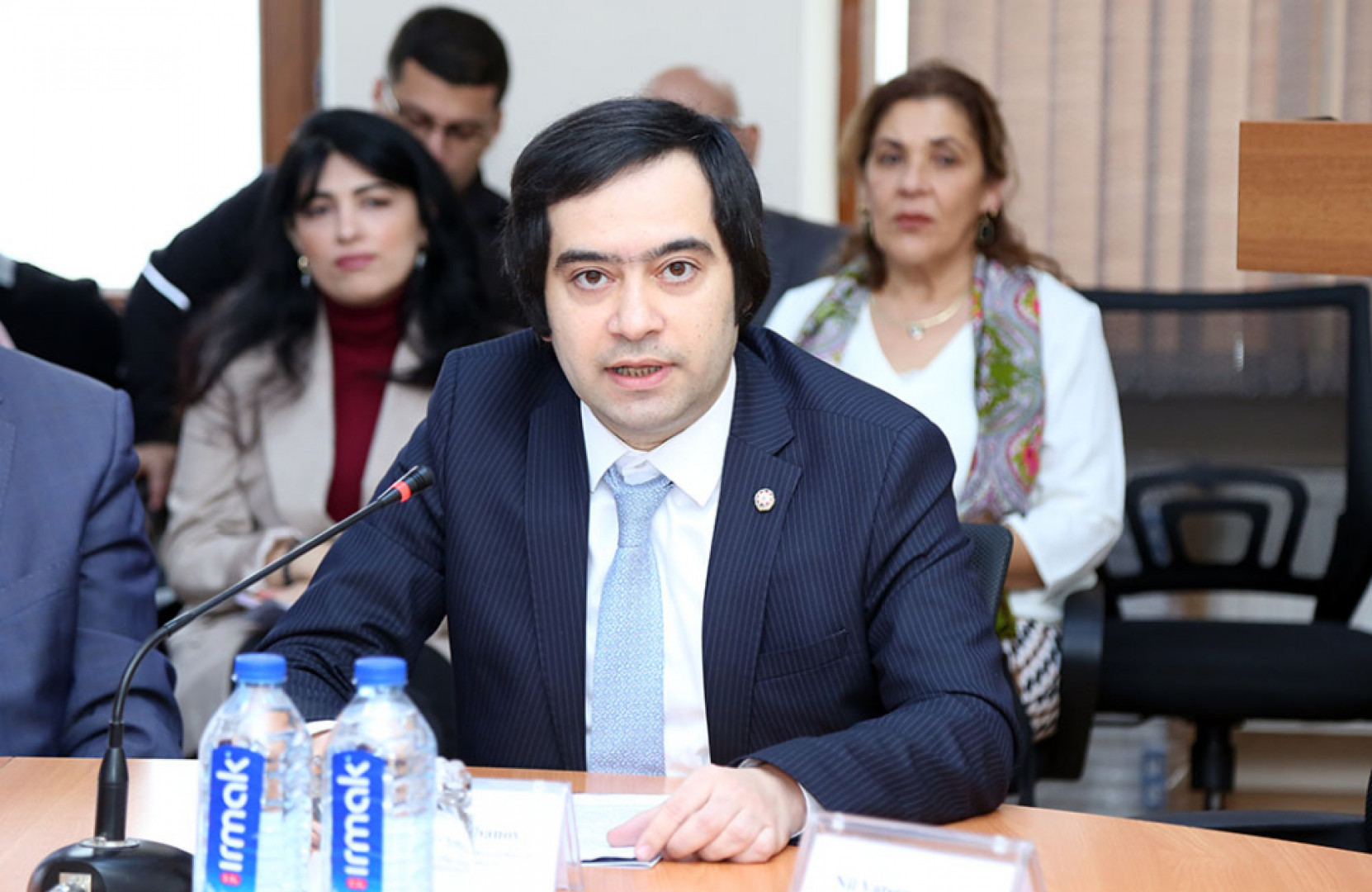
Speaking afterward, Mustafa Shabanov, a representative of the National Commission of the Republic of Azerbaijan for UNESCO, provided information on the history of World Philosophy Day. He noted that the primary purpose of establishing this important day is to highlight the significant role philosophy plays in societies and to promote philosophical thinking.
Afterward, Mehmet Tütünçü, Director General of the SOTA Scientific Center based in the Netherlands, spoke about his visits to Azerbaijan in the late 20th century and his efforts to make Azerbaijan’s voice heard internationally during the First Karabakh War. He emphasized that they welcomed Azerbaijan’s historic Victory in the 2020 war with great joy and pride.
During the event, presentations were delivered on a range of topics, including “Victory, Values and Identity,” “The Concept of Identity in the Modern World,” “Turkic National Identity,” “National Self-Awareness, National Identity and Spiritual Values in Heydar Aliyev’s Doctrine of Statehood,” “Identity Between Philosophy and History: The Example of the Italian Community in Tunisia in the 19th–20th Centuries,” “Sufi Phenomenology as a Philosophy of the New Era,” “A Philosophical Understanding of the Personality of the Future,” and other subjects.